 By Sharon Kakai
A few years ago, Uganda hit a sobering statistic: over 400,000 young people entered the workforce, but fewer than 9,000 formal jobs were available (UBOS, 2023). It’s a statistic that echoes through policy briefs and development reports, but repetition has dulled its urgency. Behind that number lies a growing crisis, a generation bursting with ambition, creativity, and ideas, yet confronted with an economy that has no room to receive them. They’re not just unemployed; they are systemically locked out, knocking on doors that either don’t exist or are too few, too rigid, or too far removed from reality.
This is not a skills gap. It’s an infrastructure gap, a systems gap, a market access vacuum. And if we don’t address it structurally and urgently, we risk watching the largest generation in Uganda’s history become its most disillusioned.
At The Innovation Village, we’ve spent the last decade nurturing Uganda’s innovation potential, from startups to creatives, agritech to fintech. But isolated interventions are no longer enough. We have realised we need to build new doors and entire corridors into the future. Corridors where capital meets creativity, where ideas turn into industries, and where young people and entrepreneurs alike can see and shape a future that includes them.
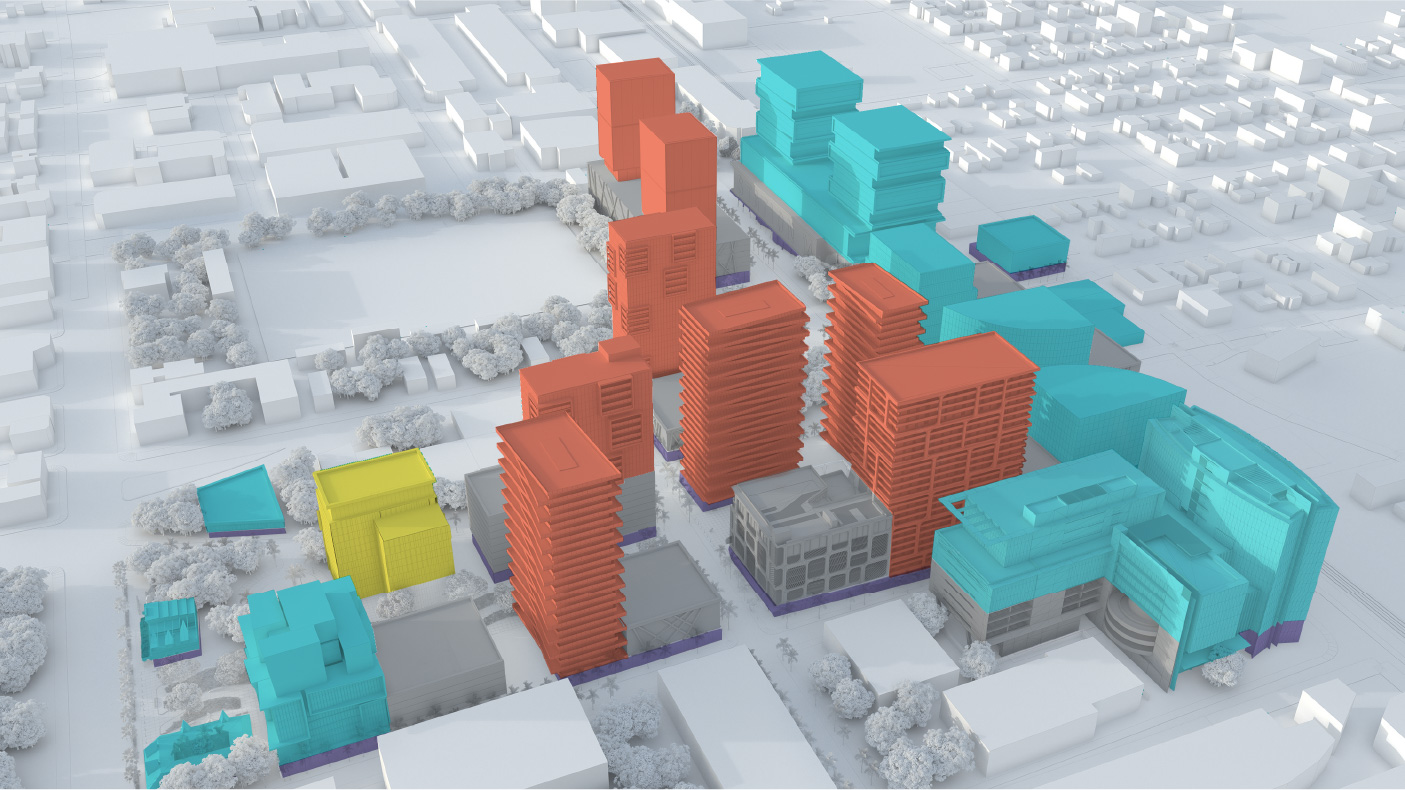
Far removed from traditional business parks or government-designated zones, Innovation Districts are living, industrial and innovation platforms purposefully designed to foster collisions between creativity and capital, between ideas and infrastructure, between the problems we face, and the people poised to solve them.
That’s what the #InnovationDistrict aspires to be, not another program or short-lived initiative, but a permanent, competitive industrial ecosystem. A platform built to capture Uganda’s entrepreneurial energy, industrialise it, and channel it into products and services that meet both domestic demand and global markets.
One may ask, what is an Innovation District?
Uganda’s turn to build with intention
An Innovation District is not just a place on a map; it’s a redefinition of how cities and economies grow into competitive, production-driven ecosystems. Far removed from traditional business parks or government-designated zones, Innovation Districts are living, industrial and innovation platforms purposefully designed to foster collisions between creativity and capital, between ideas and infrastructure, between the problems we face, and the people poised to solve them.
In Uganda’s context, where entrepreneurs often operate in silos, a tech startup in Ntinda, a fashion designer in Kamwokya, a researcher in Makerere, a creative in Gulu, we need more than community. We need cohesion built on shared infrastructure.
Innovation Districts deliver that cohesion by design. They are geographically defined, digitally connected, and physically accessible urban clusters where startups, creatives, researchers, scaleups, funders, policymakers, and ecosystem enablers co-create solutions in real time. They are not one-off interventions or grant-funded initiatives that disappear after a pilot phase. They are embedded into the very fabric of the city, designed for permanence, density, and diversity.
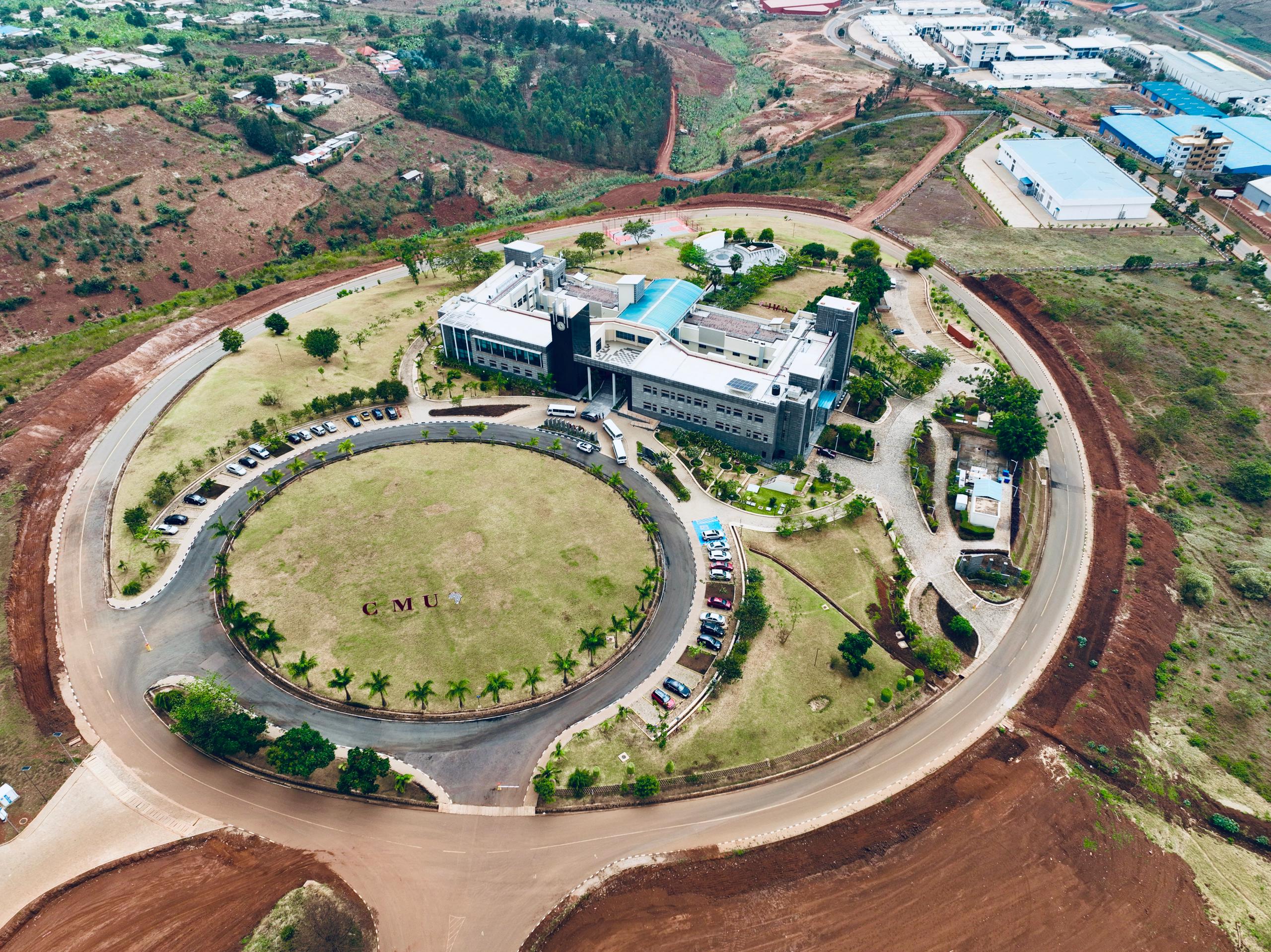
Globally, cities like Barcelona (22@District), Pittsburgh (Innovation Oakland), and Norrsken in Kigali have embraced this model, and it’s already reshaping economies. But Uganda’s model must reflect our own realities a youthful population, a largely informal business landscape, and an urgent need for sustainable job creation. Now, we do not seek to replicate a model but seek to adopt a home-grown response to our unique context.
And that’s exactly what The Innovation District, led by The Village, seeks to do: a permanent lever for industrial transformation and economic growth, rooted in Uganda’s realities and built for Africa’s future.
Why Now? Why Uganda?
Uganda is rich with youthful energy and entrepreneurial spirit, yet opportunity is unevenly distributed. That energy too often meets structural dead ends, a fragmented ecosystem, limited production capacity, and markets that favour imports over local products. While Uganda continues to rank among the most entrepreneurial countries globally (GEM Report), the survival rate of its startups tells another story most don’t make it past their third year.
Why? Because despite the abundance of bootcamps, trainings, and hackathons, the deeper framework of innovation is missing. Startups are expected to thrive in an ecosystem without consistent market access, sector-aligned infrastructure, supportive policy, or long-term capital. We’re equipping young people with skills but dropping them into an economy not built to receive them. It’s like teaching people to swim, then leading them into a desert.
That’s the void The Innovation District seeks to fill, not just with programs, but with shaped permanent, connected systems that hold and scale innovation into industry
The District: From factory belt to future engine
In the heart of Kampala’s historic industrial corridor, steel beams and old brick warehouses tell the story of Uganda’s manufacturing past. Today, those same streets are stirring again, not with the clatter of decades-old machinery but with the hum of creativity, collaboration, and construction. This is where the future is being built: Uganda’s first true Innovation District.
The District blends the vibrancy of an innovation hub with the scale and permanence of a Special Economic Zone. It’s where industry, innovation, and inclusion converge to drive production, exports, and sustainable jobs.
Guided by its foundational pillars of #MAKE, #WORK and #LIVE, The District seeks to become the physical and economic infrastructure of Uganda’s innovation future. Here is the phased vision of what we are building.
Phase 1 – Foundations in Motion.
The transformation has already begun. Inside the District, creative and maker spaces are turning designs into market-ready products. Small Business Development Centres (SBDCs) are giving MSMEs the tools, networks, and capital pathways they need to grow. Collaborative workspaces are connecting entrepreneurs, investors, and industry players in real time.
And because a thriving economy needs thriving people, Phase 1 includes a Wellness & Sports hub from gyms to courts to wellness programs ensuring this is a place where innovation isn’t just an idea on a laptop, but a way of life.
We call this the Business & Capital Gateway: infrastructure that moves beyond programmes and events, and instead connects MSMEs to supply chains, trade networks, and export opportunities. It’s where ideas are given the runway to become industries anchored in local production, light manufacturing, and export substitution.
Phase 2: Expansion & Neighbourhood Integration
The Innovation District begins to extend beyond its core site, integrating surrounding neighbourhoods into a wider innovation and industrial zone. This phase focuses on:
- Light manufacturing & production hubs for agro-processing, assembly, and packaging with SEZ incentives and streamlined customs.
- Innovation launchpads linking ventures to capital, trade partners, and policy pathways.
- Digital backbone for trade facilitation, production tracking, and ecosystem connectivity.
- Neighbourhood branding: Positioning the wider area as a destination district, marketed to both domestic and international audiences as the place where Uganda’s future industries are born.
- SEZ-level Incentives & policy framework: Formalize the District’s position as a Special Economic Zone with incentives for export-oriented manufacturing, technology development, and creative production.
By Phase 3, The Innovation District will stand as a special economic zone for innovation and light manufacturing, with incentives and policy frameworks designed to attract both local and foreign investment.
It will host international trade fairs, innovation expos, and investment forums, becoming a continental meeting point for industry leaders, investors, and talent. Global anchor companies will set up bases here, using the District as a springboard into the East African market. And perhaps most importantly, this model will be replicated nationally, with satellite innovation-industrial districts forming a connected network across Uganda.
The Vision
This will not be another short-lived project or a cluster of co-working spaces; it is a permanent economic engine designed to turn Uganda’s entrepreneurial energy into industrial-scale output, built to global standards but grounded in our realities. From factory belt to future engine, the Innovation District is where Uganda will make its next economic leap. It stands as a permanent economic asset, built to anchor production, accelerate industrial diversification, and serve as a competitive base for African exports. Unlike traditional industrial parks, it is also a living ecosystem designed for high-density collaboration, talent attraction, and the continuous exchange of ideas and capital.
What makes The District different?
Thinking long term: From projects to permanent engines
Many interventions in Africa’s startup ecosystem are fleeting, project-based, donor-driven, and heavily dependent on external timelines. Our intention for The District is a permanent infrastructure representative of an economy being built, not just supported. When the funding ends, so does the impact. The District will break that cycle.
It will be:
It will be focused on sector-growth, not sector-skimming.
It will be community-rooted, not consultant-led.
And most importantly, designed to drive scale, inclusion, and capital flow across various sectors, including the Digital Economy, Deep Technology and the Creative Econom,y among others.
We have learnt, we cannot leapfrog into prosperity without building the highways of innovation. Innovation Districts are not luxuries, they are levers. They stimulate GDP growth, increase urban productivity, improve youth employment, and attract FDI through concentrated innovation.
For a country where 78% of the population is under 30, and the informal sector dominates employment, Uganda’s future doesn’t lie in more training manuals it lies in building infrastructure that supports ambition.
At The Village, we’ve spent the past decade laying the groundwork from developing programs that entail digital skilling to creative business incubation, from climate innovation pilots to even providing startup capital on a small scale.
As we gear up to make a decade this 2025, the Innovation District is our next step, a place where it all converges. We know building it won’t be easy and we’re honest about that. But we are armed with two things, ambition and clarity on what’s needed to take Uganda’s innovation ecosystem to the next phase. A phase where ideas translate into industries, skills connect to jobs, and livelihoods are transformed.
We invite partners, investors, innovators, and creators to join us in building an engine that will power Uganda’s economy for decades to come.
The doors of The Innovation District are open.
The author is the Communications and Marketing Lead at The Innovation Village. She has more than 14 years of experience in communications across financial services, infrastructure, pay-TV, aviation, telecoms, and innovation and startups.